Researchers Confirm That Plants Have Been Gossiping About Humans for Centuries, Find Houseplants Particularly Judgmental
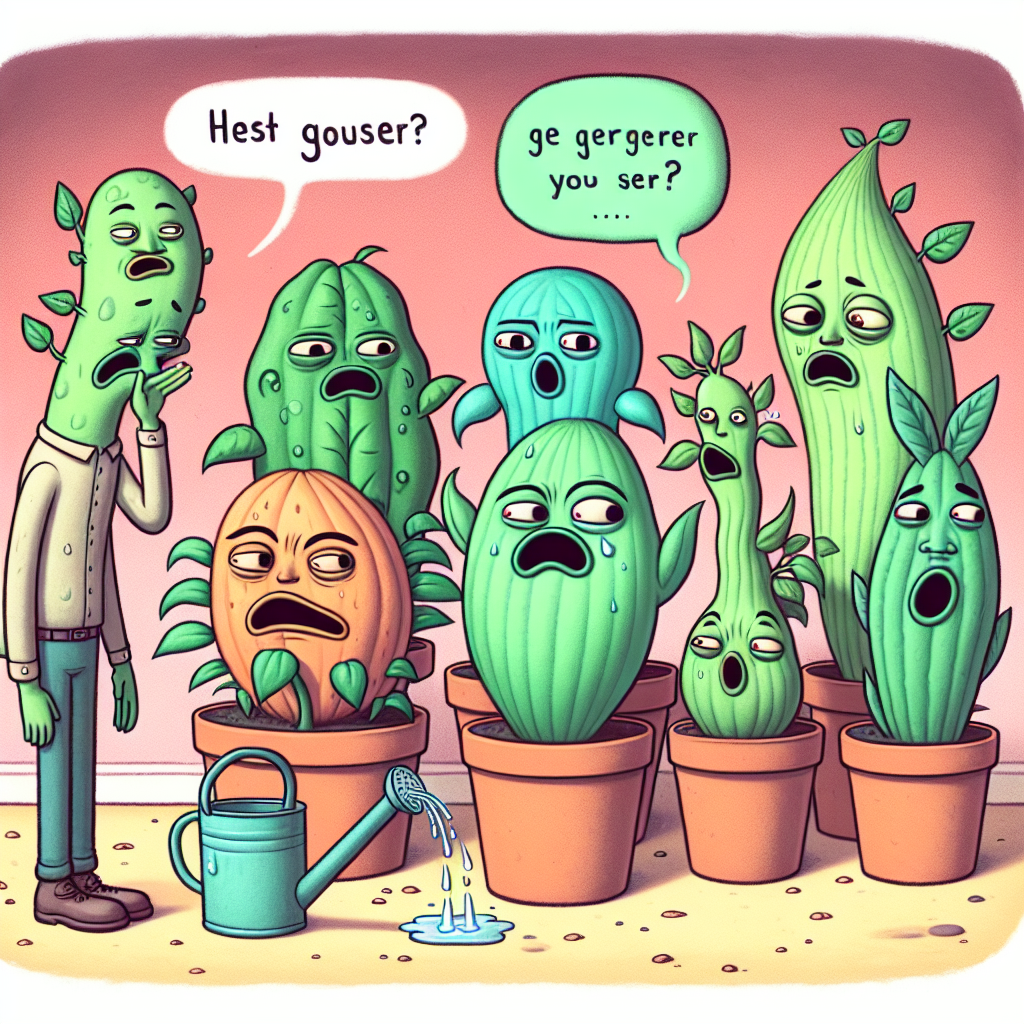
CAMBRIDGE, MA—In a discovery that has fundamentally altered our understanding of plant consciousness, researchers at Harvard University announced Tuesday that flora worldwide has been engaged in an elaborate gossip network about human activities for at least 300 years, with houseplants serving as the primary intelligence gatherers.
The study, published in the Journal of Botanical Shade-Throwing, analyzed over 50,000 hours of plant communications using newly developed chlorophyll translation technology. Lead researcher Dr. Margaret Fernsworth was stunned by the findings.
"We initially thought we'd discover plants discussing photosynthesis or soil conditions," Fernsworth explained while nervously eyeing her office succulent. "Instead, we found detailed conversations about Karen from accounting's terrible dating choices and extensive debates about whether Steve from the third floor actually waters his plants or just pretends to care."
The research team discovered that plants operate a sophisticated communication network they've dubbed the "Root Grapevine," which spans continents and enables real-time sharing of human behavioral observations. Particularly active participants include office ferns, which reportedly maintain detailed dossiers on workplace drama, and garden roses, who specialize in commentary about neighbors' landscaping decisions.
"The level of pettiness is honestly impressive," noted co-researcher Dr. James Petalton. "We recorded one conversation where a rubber tree spent three hours roasting its owner's choice to wear socks with sandals. The botanical community apparently has very strong opinions about human fashion."
Perhaps most shocking was the discovery that plants have established a rating system for human caretaking abilities, with houseplants serving as particularly harsh critics. The study found that 87% of indoor plants regularly share disparaging comments about their owners' watering techniques, with philodendrons emerging as especially vindictive.
"My spider plant gave me a 2.3 out of 10 for 'general plant parenthood,'" revealed study participant Linda Morrison, whose living room had been secretly wired for plant communication. "Apparently, I water 'like someone afraid of commitment' and my choice of plant food is 'aggressively mediocre.'"
The research has also uncovered evidence of inter-species plant rivalries, with outdoor gardens engaging in heated territorial disputes and elaborate schemes to attract human attention. One recorded conversation featured a patch of tulips plotting to bloom earlier than neighboring daffodils, specifically to "show those basic yellow attention-seekers who's really running this garden."
Dr. Fernsworth warned that the discovery has profound implications for human-plant relationships moving forward. "Now that we know they're watching and judging our every move, we need to seriously reconsider how we interact with our green companions," she said. "Also, I'd like to formally apologize to my monstera for that time I forgot to water it for three weeks. Apparently, it's still holding a grudge."